
Whether you own a hotel, restaurant, bar, café, resort, or other business with an outdoor seating area, your patio is an extension of your establishment. Customers notice the furniture, lighting, landscaping, signage, architecture, and overall atmosphere before they ever sit down. Creating a comfortable outdoor environment is important, but so is making sure the equipment providing that comfort fits naturally into the design.
A mounted infrared heater can help keep your patio comfortable during chilly mornings, cool evenings, and transitional seasons without taking up valuable floor space. However, adding heating equipment to an established patio can present a design challenge. You want the warmth without making the heater feel like an obvious addition that distracts from the rest of the space.
Fortunately, mounted patio heaters can be incorporated into a variety of commercial designs. With thoughtful planning, the heater can work alongside your existing architecture, furniture, lighting, signage, and decorative elements instead of competing with them.
At Calcana USA, our infrared heaters are designed for commercial outdoor environments and offer versatile mounting options. With the right placement and a little design planning, you can create an outdoor space where the heating system feels like part of the original design.
Here are several tricks for blending a mounted infrared heater into your patio decor.
Choose Complementary Color Schemes: How to Make Your Mounted Infrared Heater Blend With Your Patio Design
The design phase is the perfect time to evaluate the color scheme of your patio and determine how the heater will fit into the existing environment.
Color can influence how noticeable a piece of equipment appears. A finish that strongly contrasts with the surrounding architecture may draw attention to the heater, while a complementary finish can make it feel more intentional.
At Calcana USA, our mounted heaters are available with stainless steel finishes. The clean, shiny appearance can work particularly well with modern, minimalist, and industrial-inspired patio designs.
Before placing new furniture and fixtures on your patio, look at the finishes already being used throughout the space. Consider door handles, railings, light fixtures, tables, chairs, countertops, signage frames, and other hardware.
If several elements use similar metallic finishes, a stainless steel heater can fit naturally into the existing visual language.
This doesn't mean every element needs to match perfectly. In fact, mixing complementary finishes can create a more interesting design. The goal is to make the heater feel like it belongs within the overall environment rather than appearing to have been installed without consideration for the surrounding decor.
You can also use the color of your walls, ceiling, pergola, or architectural elements to help determine where the heater will be least visually intrusive.
Strategic Placement & Positioning
One of the most important considerations when integrating a mounted heater into patio decor is where you place it.
The ideal location needs to accomplish two things: provide useful heat coverage and work with the visual layout of the patio.
Based on your infrared heater's location, determine how you will arrange furniture, wall art, signage, plants, and other decorative elements around the setup. You want to create a layout that supports comfortable seating without making the heater look like it was simply added wherever there happened to be space.
Corner installations can sometimes work particularly well because they can keep equipment away from the center of the patio. Central areas are often occupied by tables, seating, lighting, umbrellas, and other customer-focused features.
Mounting a heater along a wall, column, or other appropriate architectural feature can help preserve open space while still providing heat where customers need it.
Mounting height is another important consideration. Heaters should be installed according to the manufacturer's specifications, including required clearances and mounting heights. Depending on the specific heater and installation, a height around 8 to 10 feet may be appropriate, but the manufacturer's instructions and applicable local requirements should always take priority.
Don't forget to consider the heater from multiple perspectives.
Walk through your patio from the sidewalk, parking area, entrance, dining area, and interior of the building. Think about what customers see as they approach and where their eyes naturally travel once they sit down.
A heater that looks unobtrusive from one table may be highly noticeable from another part of the property.
Taking these sight lines into account can help you find a location that balances functionality with aesthetics.
Incorporate Architectural Elements
Architecture can provide some of the best opportunities for integrating patio heating equipment into a design.
Restaurants, hotels, resorts, and other commercial spaces often have distinctive architectural features that can naturally accommodate mounted heaters. Columns, beams, pergolas, covered patios, exterior walls, and structural supports can provide suitable locations depending on the installation requirements.
Rather than treating the heater as a standalone object, consider how it can become part of the existing architecture.
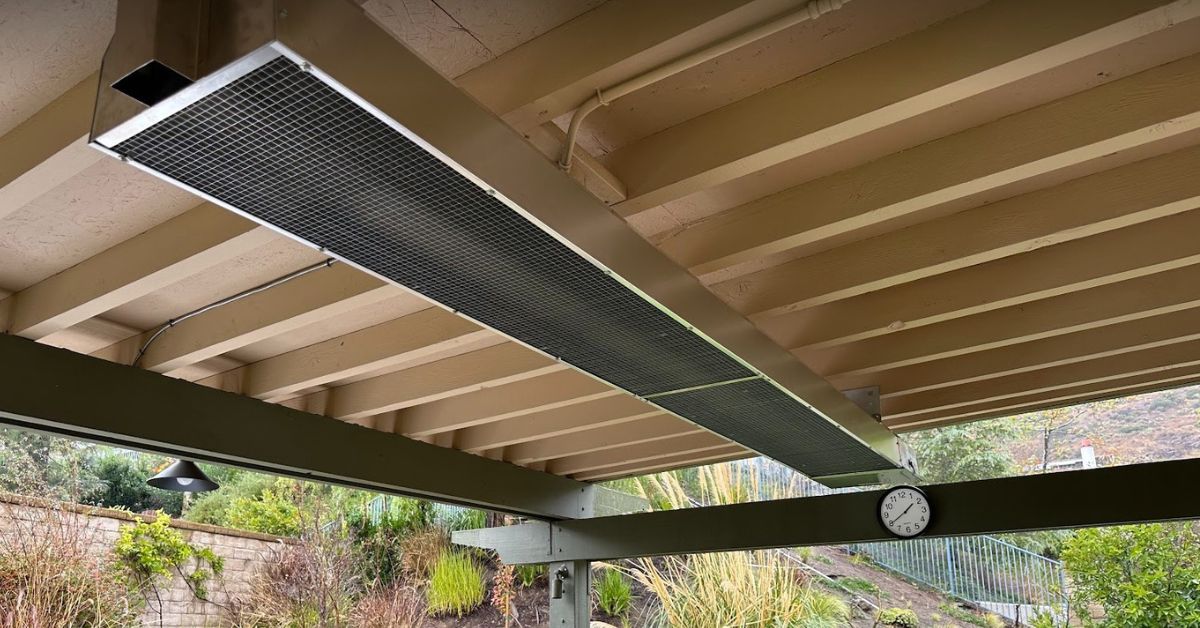
For example, a heater mounted along a structural beam may visually appear to be part of the building rather than an independent piece of equipment. A wall-mounted unit can follow the lines of the building and work with existing architectural features.
The key is to plan the heater placement alongside the rest of the patio design.
Trying to find a place for the heater after all furniture, lighting, signage, and decorations have already been installed can make the process more difficult. When heating is considered during the design stage, it becomes much easier to determine where the equipment can provide effective coverage without disrupting the overall appearance.
The radiant heaters from Calcana USA offer various mounting options that can accommodate different patio layouts and architectural styles. Depending on the project, heaters may be incorporated near appropriate columns, pergola supports, or wall areas.
Always ensure the mounting location meets the heater's installation requirements and is structurally suitable before installation.
Coordinate With Furniture & Fixtures
Furniture plays a major role in the appearance of a patio, so it should be considered when planning heater placement.
Once you determine where your heater will go, look at how your tables, chairs, benches, lounge furniture, and other fixtures interact with the heating area.
The goal isn't to make the heater the focal point. Instead, arrange seating so customers naturally occupy the areas where the heater provides useful warmth.
This can be especially important for restaurants and hospitality businesses. Customers may not think about where the heater is located, but they will notice whether their table is comfortable.
Rather than positioning tables randomly and trying to heat the entire patio, consider creating comfortable zones.
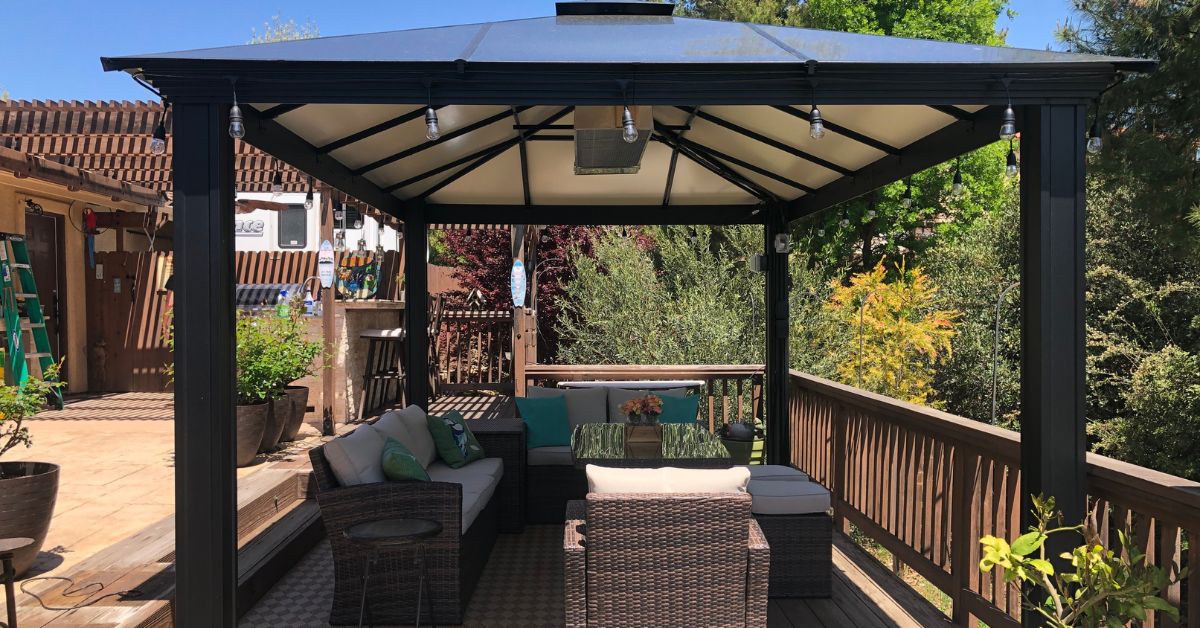
A heater can become part of the layout without being the centerpiece. Tables can be positioned beneath or within the heater's intended coverage area, while decorative elements can help visually connect the heating zone to the rest of the patio.
You can also use planters, privacy screens, decorative partitions, or artistic installations to create visual transitions between different areas.
These features can help define spaces while making functional equipment feel more integrated into the overall design.
Keep Cords & Connections Organized
One detail that can quickly make a well-designed patio look cluttered is exposed or poorly managed cabling.
When planning a mounted heater installation, think about how electrical or control connections will be routed. Depending on the specific installation, cables and connections may be able to follow existing architectural lines or be positioned in less visible locations.
The goal is to avoid having cords crossing customer walkways or hanging in areas where they become visually distracting.
This is another reason to plan the heating system before completing the rest of the patio design. It gives your installation team the opportunity to consider how the heater connects to the building and where related components will be located.
Any electrical work should be completed according to applicable codes and by qualified professionals where required.
A clean installation doesn't just look better. It can also help keep walkways clear and reduce potential hazards in busy commercial environments.
Consider Your Customers' Sight Lines
A patio should look inviting from every important customer perspective.
Think about what a customer sees when they first walk through the patio entrance. Consider their view while sitting at a table, standing at the bar, waiting for a reservation, or walking toward the washrooms.
Mounted heaters can be less visually intrusive than portable floor-standing units because they don't occupy floor space or create obstacles between tables.
However, their position still matters.
Avoid placing equipment directly in front of prominent architectural features, logos, artwork, menus, or other visual elements that contribute to your brand experience.
Instead, look for locations where the heater can provide useful coverage while allowing your most important design elements to remain visible.
This is particularly important for businesses that have invested heavily in branded outdoor environments. Your patio might feature custom signage, murals, landscaping, or distinctive architectural elements. The heating system should support the experience rather than distract from it.
Lighting Integration Strategies
Lighting and heating often become two of the most important pieces of patio infrastructure once the sun goes down.
Rather than planning them separately, consider how they can work together.
Accent lighting can highlight architectural features, landscaping, signage, or seating areas while helping the heater become part of the overall evening atmosphere.
Uplighting, downlighting, string lights, wall sconces, and other lighting options can all contribute to the look and feel of a patio. The right combination can make functional equipment feel less prominent.
For example, if your patio already has a strong lighting design, position the heater so it works within that visual structure rather than creating a competing focal point.
You should also consider the appearance of the heater at different times of day. A unit that blends into the patio during daylight hours may become more noticeable once the lights are on.
The goal isn't necessarily to hide the heater completely. A well-designed commercial patio can allow functional equipment to remain visible while still making it feel like a natural part of the environment.
Design Around Your Patio's Personality
Every business has a different identity.
A modern downtown restaurant may have a sleek and minimalist patio. A mountain resort might use natural wood and stone. A hotel could have an upscale lounge environment, while a neighbourhood pub might prioritize a more relaxed and casual atmosphere.
Your heater doesn't need to look identical in every setting.
Instead, consider the personality you've already created.
For modern patios, clean lines and metallic finishes can complement the existing aesthetic. For more traditional environments, the heater can be incorporated alongside wood structures, brick, stone, and other architectural elements.
The important thing is to look at the entire patio as one space.
Furniture, lighting, landscaping, heating, signage, and architecture should all contribute to the same overall experience.
Think About Landscaping & Greenery
Plants and landscaping can also help integrate heating equipment into an outdoor environment.
Planters, trees, shrubs, and decorative greenery can soften hard architectural lines and create natural transitions between different patio areas.
Strategically placed planters can help frame a seating area or establish a boundary around a heated zone.
However, landscaping should never interfere with the heater's required clearances or heating path. Plants, decorative materials, and other objects must be positioned safely and according to the manufacturer's requirements.
The objective isn't to hide the heater behind plants. Instead, landscaping can help create a cohesive environment in which the heater becomes just one element among many.
Don't Forget the Functional Side of the Design
While aesthetics are important, a beautiful heater installation isn't useful if it doesn't provide adequate warmth.
When planning your patio design, always start by considering how customers use the space.
Where do people sit? Which tables are used most frequently? Which areas are exposed to wind? Does the patio have a roof or partial enclosure? Are there areas that become noticeably colder in the evening?
These questions can help determine where heating is most valuable.
Infrared heating is particularly useful for outdoor spaces because radiant heat can warm people and objects directly rather than relying entirely on heating the outdoor air.
That makes the positioning of the heater especially important. You want the radiant energy to reach the areas where customers are spending time.
Good design therefore isn't about hiding the heater at all costs. It's about finding a location where the heater can perform effectively while fitting naturally into the patio.
Account for Wind & Outdoor Conditions
Outdoor heating comes with challenges that don't exist indoors.
Wind can affect how comfortable customers feel and can make an otherwise mild evening feel considerably cooler. This is one reason outdoor heater placement deserves careful consideration.
Think about how wind typically moves through your property.
Buildings, walls, screens, landscaping, and other structures can influence airflow. A partially enclosed patio may have different heating requirements than a completely open patio.
When planning heater locations, consider where customers are exposed and how the patio is arranged during different weather conditions.
Infrared heating can be advantageous in outdoor environments because it provides radiant warmth directly to people and surfaces instead of depending solely on maintaining a specific air temperature.
Maintenance for Aesthetic Appeal
Even the most carefully designed heating system can become visually distracting if it isn't maintained.
Dust, pollen, dirt, and weather exposure can affect the appearance of outdoor equipment over time. A heater that looked clean and polished when it was installed can eventually look neglected if routine cleaning is overlooked.
For commercial properties, maintenance should be part of the overall patio management routine.
Clean the heater according to the manufacturer's recommendations and inspect the unit regularly. Keep an eye on visible wear, mounting hardware, connections, and other components.
Regular maintenance isn't just about appearance. It also helps identify potential issues before they become larger problems.
Loose or corroded mounting elements can affect both the appearance and safety of an installation. Addressing these concerns promptly helps maintain the professional appearance of your patio.
Schedule professional servicing when recommended and consider completing maintenance during slower periods so your heating system is ready when customers need it most.
Creating Year-Round Design Flexibility
Your patio may look different throughout the year.
Summer might bring bright colours, umbrellas, plants, and lighter furniture, while fall and winter may introduce darker tones, seasonal decorations, blankets, lighting, and other design elements.
Your heating system should work with those changes.
Mounted heaters offer an advantage because they remain in place without taking up valuable floor space. Unlike portable heating equipment that may need to be moved or stored, a properly installed mounted heater can become a permanent part of the patio infrastructure.
This allows you to change furniture, decorations, and seasonal features around the heating system without redesigning the entire space.
Heaters can even become part of seasonal displays when appropriate. Depending on the installation and safety requirements, architectural elements around the heater can be decorated or illuminated to complement holidays and special events.
Always ensure that decorations and temporary installations remain outside the heater's required clearance areas.
Consider the Patio During the Design Stage
One of the easiest ways to create a cohesive heating installation is to think about heating before the patio is finished.
If you're building a new patio or renovating an existing one, include the heating system in the initial planning process.
This gives you more options when determining mounting locations, electrical connections, seating arrangements, lighting, architectural elements, and other details.
It can also help prevent situations where the only available heater location is somewhere visually awkward or inconvenient.
By considering heating alongside the rest of the patio design, you can make the equipment feel like an intentional part of the space from the beginning.
A Comfortable Patio Can Still Look Great
Adding heating equipment doesn't mean you have to sacrifice the look and feel of your patio.
With thoughtful planning, a mounted infrared heater can become another functional element within a carefully designed outdoor environment. Colour, mounting location, architecture, furniture, lighting, landscaping, and maintenance all contribute to how naturally the heater fits into the space.
The most effective approach is to think beyond the heater itself.
Instead of asking, "Where can we fit the heater?" consider, "Where can the heater provide the best comfort while supporting the design of the patio?"
That small shift in perspective can make a significant difference.
For restaurants, hotels, resorts, bars, and other businesses, outdoor spaces are valuable extensions of the customer experience. Comfortable seating encourages guests to spend more time outside, while a cohesive design helps create an environment they want to return to.
A mounted infrared heater can provide the warmth needed to extend the usable season of your patio without becoming the defining feature of the space.
Bringing Comfort & Design Together
Successfully integrating a mounted heater into your patio decor requires a balance between appearance, performance, and safety.
Start by evaluating your existing design. Look at colours, finishes, architecture, furniture, lighting, landscaping, signage, and customer sight lines. Then determine where the heater can provide useful coverage while remaining visually unobtrusive.
Consider how the patio is used throughout the day and year. Account for wind, seating patterns, seasonal decorations, and changing customer needs. Keep cords and connections organized, maintain appropriate clearances, and keep the heater clean and well maintained.
Most importantly, remember that the heater doesn't have to disappear to be successful.
A well-planned heating system can be visible while still feeling like it belongs.
Calcana USA offers infrared heating solutions designed to provide comfortable outdoor warmth while giving commercial properties the flexibility to integrate heating into a variety of patio environments. Whether you're designing a new restaurant patio, updating a hotel terrace, or improving an existing outdoor seating area, thoughtful heater placement can help you create a space that looks good and feels comfortable.
Take advantage of the planning stage to determine how heating can become part of your patio design rather than an afterthought. With the right approach, your mounted infrared heater can quietly do its job while your architecture, furniture, lighting, and overall atmosphere remain the focus.
Ready to create a more comfortable outdoor space without compromising your patio's design? Explore Calcana USA's infrared heating solutions and discover how the right mounted heater can fit naturally into your commercial patio.
Leave a comment
This site is protected by hCaptcha and the hCaptcha Privacy Policy and Terms of Service apply.