
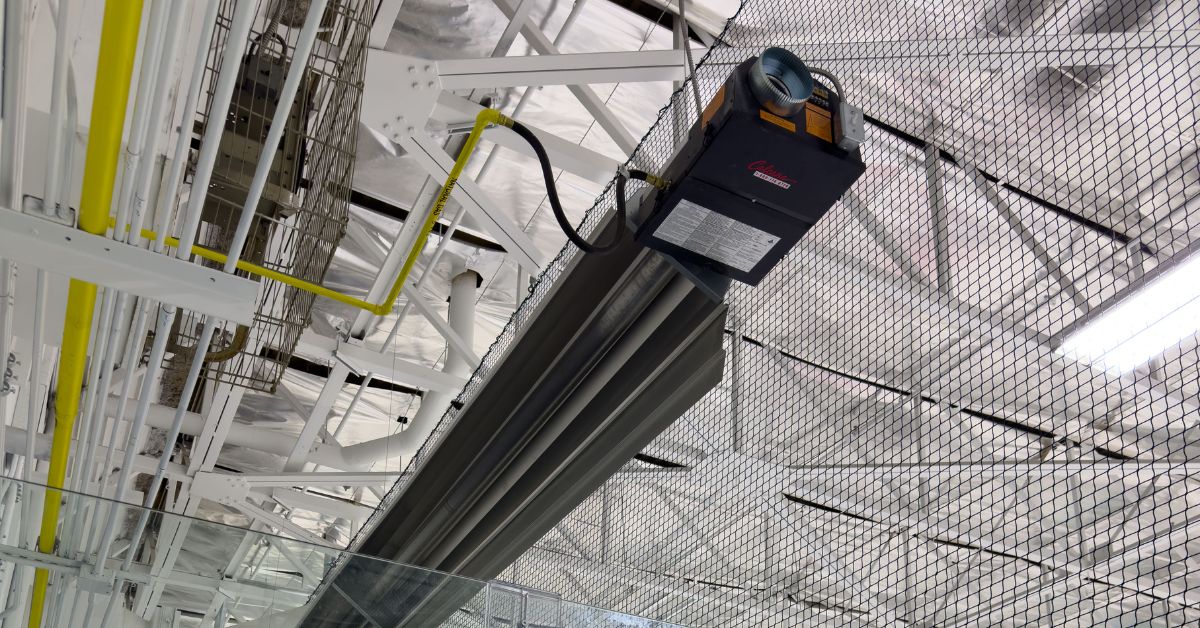
When temperatures drop, few things are more uncomfortable than working in the cold; stiff fingers and freezing toes make it impossible to get the job done right. Fortunately, infrared heaters can give your team a place to warm up after working outside.
In industrial environments, however, reliable heating does more than improve comfort. A properly maintained heating system can help create a more consistent work environment, support equipment operation, protect certain temperature-sensitive materials, and reduce the likelihood of unexpected downtime during the coldest months of the year.
Infrared heaters are particularly useful in warehouses, manufacturing facilities, maintenance shops, loading areas, garages, agricultural buildings, and other large spaces where conventional heating systems may struggle to provide targeted warmth. Because these systems deliver radiant heat directly to people, equipment, floors, and other surfaces, they can provide warmth where it matters most without requiring the entire volume of air in a facility to reach the same temperature.
However, like any industrial equipment, infrared heaters require regular care. Dust, debris, corrosion, loose mounting hardware, damaged wiring, and neglected components can gradually affect performance. A heater that receives regular attention is more likely to operate efficiently and reliably when your team needs it most.
In this guide, we’ll provide maintenance tips for your industrial infrared heater to keep it in top condition for the colder months. Let’s delve into the details and discover how to maximize your heater’s output for a comfortable, enjoyable winter season.
Why Industrial Infrared Heater Maintenance Matters for Long-Term Performance & Safety
Industrial heating equipment often operates in demanding environments. Unlike a residential heating system located in a relatively clean utility room, an industrial infrared heater may be exposed to dust, airborne particles, machinery exhaust, moisture, grease, temperature fluctuations, and constant activity.
Warehouses can generate dust from packaging materials and vehicle traffic. Manufacturing facilities may have airborne particles created by production processes. Automotive and maintenance facilities can introduce grease and other contaminants into the air. Agricultural buildings can expose equipment to dirt, hay, dust, and moisture.
Over time, these conditions can affect a heater's components.
Regular maintenance gives facility managers an opportunity to identify small issues before they become significant problems. A loose connection, for example, may be relatively simple to address during a scheduled inspection but could eventually contribute to unreliable operation if ignored. Similarly, a buildup of dust may seem insignificant at first but can interfere with heat output and make cleaning more difficult later.
Maintenance is also an important part of creating a safer working environment. Industrial heaters operate at high temperatures, and gas-fired equipment requires particular attention to combustion, venting, connections, and other components. Any repair involving gas or electrical systems should be handled by an appropriately qualified professional.
A good maintenance program should therefore focus on three goals: performance, reliability, and safety.
Make It a Habit To Clean Dust & Debris
Over time, dust and debris can accumulate on heating elements, impeding heat distribution and reducing efficiency. Get into the habit of cleaning your heater regularly to maintain its effectiveness. Use a soft brush or a vacuum with a brush attachment to gently remove dust or debris from the heating elements and surrounding areas. This simple maintenance task will help keep your heater running smoothly.
The frequency of cleaning depends heavily on the environment. A relatively clean commercial space may only require periodic cleaning, while a dusty manufacturing facility could require more frequent inspections.
Avoid waiting until you can visibly see a significant layer of dust before cleaning. Regular light cleaning is generally easier and less disruptive than allowing contaminants to accumulate for an extended period.
Before cleaning, always shut down the heater according to the manufacturer's instructions and allow components to cool sufficiently. Never attempt to clean a hot heating element or reach into areas that could expose you to electrical or combustion hazards.
A soft brush can help loosen surface dust without damaging components. A vacuum equipped with an appropriate brush attachment can also remove loose debris. Avoid aggressive scraping, abrasive materials, or cleaning products unless the manufacturer specifically recommends them.
Why Dust Can Affect Heater Performance
Dust doesn't simply make equipment look dirty. Depending on the heater's design and the environment, excessive buildup can interfere with the transfer and distribution of heat.
Reflective surfaces, emitters, vents, housings, and other components need to remain appropriately clean so the system can operate as designed. Contaminants may also accumulate around areas that are difficult to reach, making professional servicing necessary.
Keeping the heater clean also makes future inspections easier. When components are covered in dirt, identifying cracks, discoloration, corrosion, or other abnormalities becomes more difficult.
For facilities with multiple infrared heaters, consider incorporating cleaning into the facility's preventive maintenance schedule rather than relying on individual employees to remember when each unit needs attention.
Inspect Heating Elements, Wiring, & Housing
Regular inspection of the heating elements, wiring, and housing of your industrial infrared heater will identify potential issues before they turn into a hefty bill. Carefully examine the heating elements for signs of damage, such as cracks or discoloration. If you spot an issue, contact a professional and have them repair or replace the parts as quickly as possible.
Next, inspect the wiring connections, confirming they’re secure and free from fraying or exposed wires. Loose or damaged wiring can pose a safety hazard and may impact the heater’s functionality. Don’t DIY your repairs if you’re not an expert. Not only is it possible to damage expensive electrical components further, but you put yourself at risk of serious injury.
Finally, check the housing of the heater for wear or damage. Confirm that the vents are clear of obstructions and that there are no cracks or gaps that could affect the heater’s performance. Adding these tasks to your housekeeping list maximizes heat output and promotes a safe working environment.
Look for Changes in Appearance
A visual inspection can reveal a surprising amount about the condition of industrial heating equipment.
Look for:
-
Cracked or damaged components
-
Unusual discoloration
-
Corrosion or rust
-
Loose hardware
-
Damaged wiring or insulation
-
Accumulated dust and debris
-
Obstructions around vents
-
Signs of impact or physical damage
-
Changes in mounting position
A change in appearance doesn't necessarily mean a component has failed, but it can indicate that further investigation is necessary.
For gas-fired equipment, unusual soot or combustion-related discoloration should receive particular attention. Do not attempt to diagnose or repair combustion problems yourself. Contact a qualified technician who can determine whether the system is operating safely.
Keep Venting Clean & Clear
Just like dust, debris, and other particles can accumulate on your heating elements, the same can happen in the vents, obstructing airflow and hampering the heater’s performance. Regularly inspect the vents and remove obstructions for optimal heat distribution throughout the space.
To clean vents, use a soft brush or a long feather duster to gently remove buildup. Be cautious not to damage the vents or force debris further into the system. If the vents are excessively dirty or difficult to clean, you might consult a professional technician.
Keeping the venting system clean and clear improves the efficiency of your heater and minimizes the risk of overheating and potential damage to the unit.
Why Ventilation Deserves Special Attention
Ventilation is especially important for gas-fired infrared heating systems. Combustion equipment requires appropriate air supply and exhaust according to the system's design and applicable codes.
A blocked or improperly maintained venting system can interfere with normal operation and potentially create dangerous conditions. Facility managers should never modify, block, or reroute heater venting without professional guidance.
During routine inspections, look for obvious signs of obstruction, physical damage, corrosion, or changes caused by other facility work. If something appears abnormal, have the system assessed before returning it to regular operation.
Check Connections & Wiring
As you use your heater, vibrations or temperature changes can loosen electrical connections, leading to inefficient operation or potential safety hazards. That’s why you must periodically inspect the connections and wiring, checking that they’re secure and free from damage or wear.
First, turn off the power to the heater and allow it to cool down. Next, carefully examine the wiring connections, ensuring that they’re tightly secured and free from fraying or exposed wires. If you notice loose connections or damage, address them promptly.
However, there's an important distinction between inspecting equipment and repairing it.
Facility employees can often perform basic visual inspections as part of preventive maintenance, but electrical repairs should be performed by qualified professionals. Attempting to tighten, replace, or modify electrical components without the appropriate knowledge can create additional hazards.
Maintain records of electrical inspections and repairs as part of your facility's maintenance documentation. This makes it easier to identify recurring issues and gives technicians useful information when servicing the system.
Maintain Proper Mounting
For the safe and effective installation of your industrial infrared heater, follow the manufacturer's mounting guidelines. First, choose an appropriate location that’s well-suited for the heater’s operation and minimizes potential hazards. This means clearing a zone around the heater and keeping it free from flammable materials. Fortunately, mounted heaters are out of reach and already a good distance away from combustible objects.
Regularly inspect the mounting so it remains secure and in optimal condition. If you notice loose mounts or screws, don't simply assume that tightening them is always the appropriate solution. Damaged hardware, corrosion, structural movement, or changes to the mounting surface may indicate a larger issue.
Why Mounting Matters
An infrared heater's effectiveness depends partly on its positioning. If the heater shifts from its intended angle, the radiant heat pattern may no longer cover the desired area.
For example, a heater originally positioned to warm a workstation may gradually shift because of vibration or loose hardware. The heater may continue operating, but employees could notice that the area feels colder than it did previously.
Proper mounting also protects people and property below the heater. A securely installed unit reduces the risk of movement or detachment.
Any major changes to mounting, location, height, or orientation should follow the manufacturer's installation requirements. When in doubt, contact a qualified installer.
Always Follow Operational & Maintenance Guidelines
The easiest way to care for and maintain your industrial infrared heater is to crack open the manual and take a look at the manufacturer’s instructions. These guidelines help you maximize the performance of your heater while prioritizing safety. A seasoned, reliable manufacturer will have a slew of resources available in the product box and on their website.
The value of a digital copy is that if you lose the physical guidelines, you can access the digital version, reading it on your phone or tablet or even printing it out for later. In the manual, you’ll discover maintenance tips and in-depth guides on how the heater works and the requirements for proper operation.
Manufacturer instructions should be treated as the primary reference for maintenance. Different infrared heaters have different components, installation requirements, cleaning procedures, clearances, and service intervals.
This is particularly important when replacing components. Just because a part appears similar doesn't mean it's an appropriate replacement. Using incorrect components can affect performance or compromise safety.
Keep documentation accessible to maintenance personnel. If your facility has multiple heaters, maintain records identifying each unit, its location, installation date, maintenance history, and any repairs that have been performed.
Conduct a Full Inspection Before the Heating Season Begins
Before the colder weather rolls in and the heating season gets underway, take time to conduct a full inspection of your heater so it’s in optimal working condition. Remember, the more you use your heater, the more likely the unit is to accumulate debris and incur normal wear and tear. Follow the above steps we’ve outlined to make sure your heater’s ready for use.
The last thing you want is to find out that your heater doesn’t turn on when you need it most or for it to give out in the middle of the winter. The best cure is always prevention, so make sure you take the time to inspect your heater thoroughly before the heating season starts.
By conducting a full inspection and addressing issues early on, you can prevent unexpected breakdowns and the inconvenience of a malfunctioning heater. Investing a little time and effort now can save you from the discomfort and hassle of dealing with heating problems later.
Don't Wait for the First Cold Snap
One of the biggest mistakes facility managers can make is waiting until the first major cold spell to turn on their heating equipment.
When temperatures suddenly drop, heating systems across an entire facility may need to operate simultaneously. If an issue has gone unnoticed during the warmer months, that is often when it becomes apparent.
Instead, schedule preseason inspections while technicians have time to address problems. This approach gives your facility a buffer before heating demand reaches its peak.
Create a Preventive Maintenance Schedule
Rather than treating heater maintenance as an occasional chore, incorporate it into your facility's broader preventive maintenance program.
A simple schedule can divide responsibilities into daily, monthly, seasonal, and professional inspections.
Daily or Routine Checks
Employees who work around the heaters can be trained to identify obvious problems, such as unusual odors, strange noises, visible damage, or unexpected changes in heat output.
They don't need to diagnose the issue. Their role is simply to report anything unusual to the appropriate maintenance personnel.
Monthly Inspections
Monthly inspections can focus on visible components, mounting hardware, cleanliness, vents, and the general condition of the system.
Facilities with particularly dusty or demanding environments may benefit from more frequent inspections.
Seasonal Inspections
Before the primary heating season begins, perform a more comprehensive inspection. Review the heater's overall condition, mounting, connections, cleanliness, and operating performance.
Professional Servicing
Qualified technicians should handle specialized servicing, combustion-related inspections, electrical repairs, and other tasks requiring technical expertise.
Following a structured schedule helps ensure maintenance doesn't get forgotten during busy periods.
Keep the Area Around Your Heater Clear
The environment surrounding an infrared heater can affect both performance and safety.
Do not use the space around a heater as convenient storage. Industrial facilities often have a tendency to accumulate boxes, tools, materials, equipment, and other items wherever open space is available. If these objects are placed too close to a heater, they may interfere with heat distribution or violate required clearances.
Keep combustible materials away from the heater according to the manufacturer's specified clearances. Pay attention to temporary items as well. Pallets, packaging materials, ladders, curtains, tarps, and other objects can easily be moved into an area without employees realizing that they're interfering with the heater.
This is particularly important in warehouses where inventory layouts change frequently.
Consider Your Facility's Changing Layout
Industrial facilities rarely remain exactly the same year after year.
A warehouse may add new racking. A manufacturing plant may install new machinery. A distribution center may rearrange workstations. A loading dock may receive new equipment.
These changes can affect the way radiant heat reaches the occupied areas of your facility.
If you substantially change the layout beneath or around an infrared heater, reassess whether the unit remains appropriately positioned. New equipment could block radiant energy or create unexpected clearance concerns.
This doesn't necessarily mean you need to move the heater. It simply means that heating performance should be considered when modifying the facility.
Watch for Changes in Heating Performance
Your employees are often the first people to notice that a heating system isn't performing as it once did.
If a workstation that was previously comfortable suddenly feels cold, investigate the reason. The heater itself may have a problem, but other factors could also be responsible.
Potential causes include:
-
A change in heater positioning
-
Increased drafts
-
New doors or ventilation changes
-
Obstructions blocking radiant heat
-
Accumulated dirt or debris
-
Changes to the facility layout
-
Damaged components
-
Control or thermostat issues
Don't automatically increase the heater's output to compensate. If performance has changed unexpectedly, determine why.
Industrial Environments Require More Frequent Attention
The maintenance schedule appropriate for a clean commercial space may not be sufficient for an industrial facility.
Factories, warehouses, workshops, agricultural buildings, and other industrial environments can expose heating equipment to significantly more contaminants and physical activity.
For example, a facility that regularly operates forklifts may experience dust and exhaust exposure. A woodworking operation may generate fine particles. A metalworking environment may introduce additional contaminants. Agricultural facilities may experience dust and moisture.
The more challenging the environment, the more important preventive maintenance becomes.
Maintenance Can Help Extend Equipment Life
Regular maintenance isn't just about keeping your heater operational today. It can also help protect the equipment over the long term.
Small problems tend to become more expensive when they're ignored. A loose component can cause additional vibration. Accumulated debris can make cleaning more difficult. Corrosion can spread if it isn't identified early.
Routine inspections give facility managers opportunities to address these conditions while they're still manageable.
No maintenance program can eliminate normal equipment wear, but proactive care can help maximize the useful life of your investment.
Keep Maintenance Records
For facilities with multiple heating units, written maintenance records can be extremely valuable.
Record information such as:
-
Heater location
-
Model and serial number
-
Date of installation
-
Cleaning dates
-
Inspection dates
-
Repairs performed
-
Components replaced
-
Technician information
-
Any unusual operating conditions
These records make it easier to identify patterns.
If the same heater repeatedly experiences issues, maintenance records can help technicians determine whether there is an underlying problem. Records can also help with budgeting because facility managers can identify equipment approaching the end of its expected service life.
Train Employees To Recognize Problems
You don't need every employee to become a heating technician, but basic awareness can make a significant difference.
Employees working around industrial infrared heaters should know not to obstruct units, tamper with controls, or move mounted equipment. They should also understand how to report unusual smells, noises, visible damage, or unexpected changes in performance.
A simple reporting process can prevent problems from being overlooked.
For example, employees could immediately notify a supervisor if they notice a heater making an unusual sound or if a previously warm work area suddenly becomes cold.
The goal is not to have employees diagnose equipment. Instead, it's to create an environment where potential problems are reported early.
Know When To Call a Professional
Preventive maintenance can include many straightforward visual inspections and cleaning tasks, but there are situations where professional service is essential.
Contact a qualified technician if you encounter:
-
Gas leaks or suspected gas problems
-
Combustion issues
-
Unusual soot or combustion residue
-
Damaged gas lines
-
Electrical faults
-
Exposed wiring
-
Repeated system shutdowns
-
Persistent ignition problems
-
Significant corrosion
-
Damaged mounting structures
-
Unexplained changes in heater performance
Never compromise safety to save time or avoid a service call.
Professional technicians have the training and equipment required to diagnose problems and perform specialized repairs safely.
Preparing Your Infrared Heater for Winter
Winter preparation should begin before temperatures become consistently cold.
Start by reviewing the previous heating season. Did employees report cold spots? Were there unexpected shutdowns? Did maintenance personnel notice recurring issues?
Use that information to improve the system before the new season begins.
Clean the equipment, inspect mounting hardware, check visible components, review controls, and arrange professional service when necessary.
Then inspect the surrounding facility. Look for new drafts, damaged doors, changes in insulation, or modifications to the building that could affect heating performance.
A heater can only perform as effectively as the environment allows. Addressing building-related heat loss alongside heater maintenance can improve overall comfort.
Maintenance Is an Investment in Reliable Heating
Industrial heating plays an important role in keeping facilities functional during cold weather. However, even high-quality equipment requires attention.
Regular cleaning prevents unnecessary buildup. Inspections help identify problems early. Proper mounting protects the equipment and people below it. Clear ventilation supports safe operation. Professional servicing addresses technical problems before they become larger issues.
Together, these practices create a proactive approach to industrial heating maintenance.
Instead of waiting for a heater to fail on the coldest day of the year, facility managers can take steps throughout the year to keep their equipment prepared.
Keep Your Facility Warm With Calcana
Reliable heating starts with quality equipment, but maintaining that equipment is what helps it continue delivering dependable performance year after year.
Calcana provides infrared heating solutions designed for commercial, industrial, agricultural, and other demanding applications. With properly installed equipment, regular maintenance, and attention to manufacturer guidelines, businesses can create comfortable work areas while protecting their heating investment.
Whether you're preparing an existing system for another winter or evaluating heating options for a new facility, taking a proactive approach to maintenance can make a meaningful difference.
Let Calcana help you stay warm and prepared so you can enjoy a season of uninterrupted warmth and comfort. We offer premium-quality industrial heaters along with infrared heater mounting kits and accessories to support proper installation and long-term performance. Contact the Calcana team to learn more about your heating options and find a solution designed around your facility's needs.


Leave a comment
This site is protected by hCaptcha and the hCaptcha Privacy Policy and Terms of Service apply.