
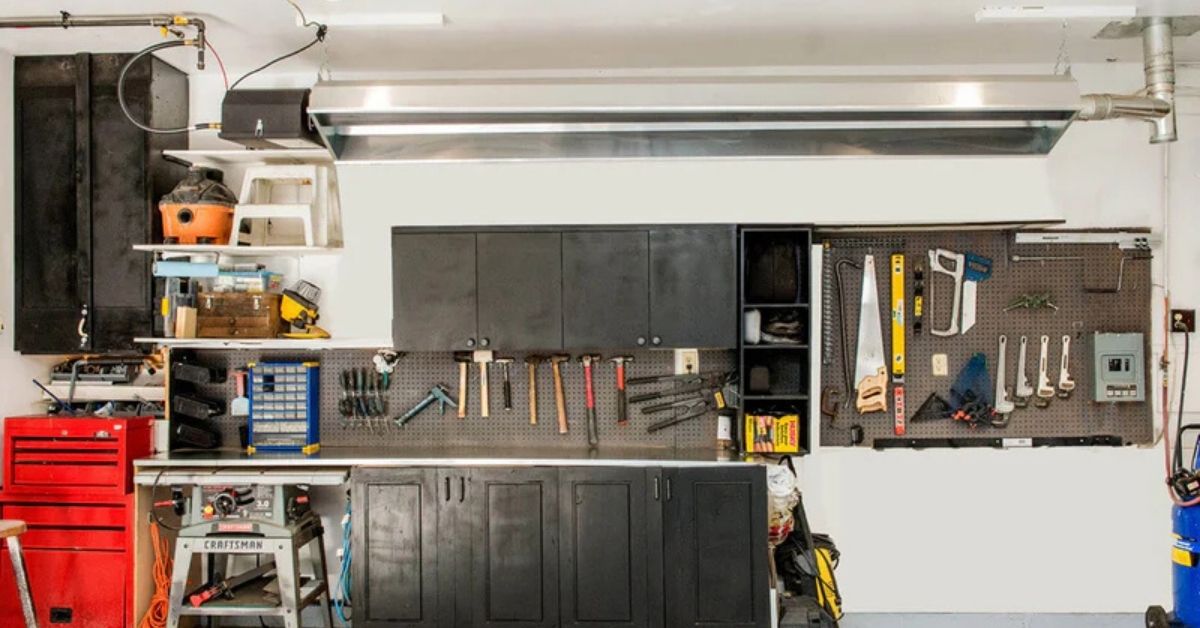
Calcana USA offers durable infrared heaters designed to operate year-round for businesses and residential properties. Your indoor and outdoor areas will need to combat the cold when the sun sets, but is it safe to keep your infrared heater running overnight? Find out the pros and cons of leaving your systems on for your patio, warehouse, or garage to protect you and your equipment from harsh weather conditions.
Understanding How Infrared Heaters Work: The Technology Behind Safe, Efficient Overnight Heating
Unlike traditional convection heaters that warm the air, infrared heaters use electromagnetic waves to directly warm objects and people in their path. This process delivers radiant heat that feels natural and immediate. The infrared energy travels through the air until it hits a surface, which then absorbs the energy and heats up.
Because infrared heaters do not circulate hot air, they avoid stirring up dust and allergens, making them highly efficient, as they do not waste energy heating unoccupied space.
Electric Infrared Heaters
Electric infrared heaters are popular for residential and commercial spaces due to their ease of use and installation. They operate by passing electricity through a heating element, which then emits infrared radiation. Many property owners use these systems for indoor applications, such as garages and workshops, as well as for covered patios.
Modern electric models frequently come with advanced safety features, designed to automatically shut off the unit in unsafe conditions. These built-in protections make them a strong candidate for extended, unattended operation, though you must always verify the manufacturer’s specific guidelines.
Gas-Fired Infrared Heaters
Calcana USA offers gas-fired infrared heaters that use natural gas or propane. They are extremely powerful and work best in large spaces, including warehouses, loading docks, and expansive outdoor patios. They generate infrared heat through the combustion of gas.
Assessing the Safety of Overnight Operation
Assessing whether an infrared heater can safely operate overnight requires more than simply asking whether the unit is designed for continuous use. The answer depends heavily on the type of heater, its condition, the environment where it is installed, the fuel source, ventilation, mounting method, and the safety features built into the system. A professionally installed heater with appropriate safety controls may be suitable for extended operation, while a portable or improperly installed unit may present unnecessary risks.
Before leaving any heating system operating for several hours without supervision, property owners should review the manufacturer's operating instructions and installation requirements. This is particularly important for commercial, industrial, agricultural, and outdoor applications where heaters may operate for long periods during colder weather.
The Heater’s Design
Modern infrared heaters from reputable manufacturers include several layers of safety technology designed to prevent accidents during normal operation. Overheating protection, for example, can automatically shut the heater down if internal temperatures exceed a predetermined safe limit. This type of protection helps prevent excessive heat from damaging internal components or creating a potential fire hazard.
The design of the heating element also matters. Calcana's gas-powered infrared heaters use flames contained within low-intensity infrared emitter tubes. This enclosed design helps protect the flame from direct exposure to environmental conditions while allowing the system to produce consistent radiant heat.
This can be especially beneficial for outdoor commercial applications where wind is a consideration. Restaurants, hotels, patios, and other hospitality environments can experience changing weather conditions throughout the night, so selecting equipment designed for the intended environment is essential.
However, built-in safety features should never be viewed as a substitute for proper installation and operation. A heater should always be used according to the manufacturer's specifications, including its required mounting height, clearances, fuel requirements, and ventilation guidelines.
The Condition of the Heater
Before operating an infrared heater overnight, inspect the system for visible signs of damage or deterioration. A heater that has been exposed to years of weather, dust, moisture, or heavy commercial use may require servicing before it should be left running for an extended period.
Look for damaged housings, loose mounting hardware, corrosion, unusual wiring conditions, or other signs that the system may not be operating as intended. For gas-powered systems, fuel connections and other components should be inspected according to the manufacturer's recommended maintenance schedule.
If the heater produces unusual sounds, smells, inconsistent heat, or unexpected shutdowns, discontinue operation and have the system inspected by a qualified professional.
Taking a few minutes to identify potential problems before an overnight heating period can help prevent a small maintenance issue from becoming a major equipment failure.
The Environment
Calcana USA heaters can be used in a variety of indoor and outdoor applications, but the environment where the heater operates must always meet the unit's installation requirements.
Adequate clearance around the heater is particularly important. Furniture, curtains, stored materials, decorations, packaging, and other combustible items should never be positioned too close to a heating unit. Follow the manufacturer's specified clearance requirements rather than relying on a generic distance for every installation.
Wall- and ceiling-mounted systems offer an advantage because they keep the heater elevated and away from many common floor-level hazards. Professional installation also helps ensure that the unit is securely fastened and positioned correctly relative to walls, ceilings, equipment, and occupied areas.
For industrial and commercial facilities, the surrounding environment should be evaluated regularly. Warehouse inventory can be moved, restaurant patios can be rearranged, and equipment can be placed beneath a heater after the original installation. A previously safe installation can therefore become unsafe if the surrounding space changes.
Ventilation
Ventilation is one of the most important considerations when operating gas-powered infrared heaters.
While gas-fired infrared heaters can provide highly effective and efficient heat for large-scale applications, combustion requires appropriate ventilation. Gas combustion produces exhaust gases, and those gases must be safely managed according to the heater's installation requirements.
Inadequate ventilation can allow carbon monoxide and other combustion byproducts to accumulate. Carbon monoxide is an odorless and potentially dangerous gas, which is why gas-fired heating equipment should never be installed or operated in an enclosed, unventilated area unless the specific system is designed and approved for that application.
Never assume that opening a door or window provides sufficient ventilation for a particular heater. Always follow the manufacturer's requirements and applicable building and safety codes.
Professionally installed, appropriately vented gas-fired systems can provide reliable extended heating in suitable commercial and industrial environments. Proper installation ensures combustion gases are managed correctly while the system delivers radiant heat to the intended area.
Mounting & Installation
The way an infrared heater is mounted can directly affect its safety.
A ceiling-mounted heater should be secured to a structure capable of supporting the equipment. Mounting hardware should be appropriate for the installation surface, and the heater should be positioned according to the manufacturer's specified height and clearance requirements.
Improper mounting can create several problems. A loose unit may shift position over time, potentially changing the intended heat pattern or bringing hot surfaces closer to surrounding materials. In extreme cases, an improperly secured heater could detach from its mounting point.
Professional installation helps eliminate these concerns by ensuring the unit is properly positioned, securely fastened, and connected according to applicable requirements.
This is particularly important when a heater will operate overnight because there may be nobody present to notice a change in the unit's position or performance.
Electrical Connections & Fuel Supply
The power or fuel supply should also be evaluated before extended operation.
Electric infrared heaters should be connected to circuits capable of supporting the unit's electrical requirements. Avoid overloaded circuits, damaged cords, inappropriate extension cords, or makeshift electrical connections.
Gas-powered systems require properly installed fuel connections and appropriate gas supply components. Any signs of leaks, damaged fittings, or unusual odors should be treated seriously and addressed by a qualified professional before the heater is operated.
The objective is simple: the heater should have a stable, properly installed energy source capable of supporting its intended operation.
Benefits of Running an Infrared Heater Overnight
When a properly designed, installed, and maintained infrared heating system is approved for extended operation, overnight heating can provide several practical advantages. Maintaining an appropriate temperature can protect property, improve comfort, and help businesses prepare their facilities for the next operating period.
Equipment & Property Protection
Consistent overnight heating can prevent temperatures from dropping to levels that could damage sensitive equipment, vehicles, stored products, and building components.
In warehouses and industrial facilities, freezing temperatures can create problems for plumbing, hydraulic systems, paints, adhesives, and other temperature-sensitive materials. In garages, maintaining a suitable temperature can help protect vehicles, tools, and equipment from extreme cold and condensation.
For businesses, the cost of preventing freeze-related damage can be considerably lower than the cost of repairing damaged equipment or replacing spoiled inventory.
However, the required temperature will vary depending on what is being stored. Property owners should determine the minimum acceptable temperature for their specific products and equipment rather than simply setting a heater to a generic overnight temperature.
Energy Efficiency & Comfort
Infrared heating can also help maintain a comfortable environment without relying exclusively on traditional air-heating methods.
Because infrared energy heats people and objects directly, the system can maintain warmth where it matters most rather than continuously attempting to heat the entire volume of air.
Calcana infrared heaters are designed for efficient operation and can use significantly less fuel than conventional heating approaches in appropriate applications. The exact savings will vary based on the building, climate, operating schedule, insulation, heater configuration, and other factors.
For facilities that require overnight heating, proper zoning can further improve efficiency. Instead of maintaining the same temperature throughout a massive warehouse or commercial building, operators can focus heating on areas where warmth is actually required.
Workplace Productivity
For businesses operating around the clock or beginning operations early in the morning, overnight heating can help create a more comfortable starting environment for employees.
Nobody wants to begin a shift in an extremely cold warehouse, workshop, or industrial facility. Employees may need additional time to acclimate, and cold conditions can make certain physical tasks more difficult.
Maintaining appropriate temperatures can help employees arrive at a workplace that is already comfortable and ready for operation.
This can be particularly valuable in facilities with early morning loading schedules, manufacturing shifts, distribution operations, or other businesses that begin working before outdoor temperatures have recovered from the overnight low.
Agricultural Protection
Agricultural facilities can also benefit from carefully controlled heating strategies.
Barns, livestock facilities, greenhouses, and other agricultural environments may require supplemental heat during periods of extreme cold. Infrared heating can provide targeted warmth without necessarily requiring the entire structure to reach the same temperature.
However, agricultural installations require careful consideration of ventilation, combustible materials, dust, humidity, animals, and environmental conditions. The heater must be appropriate for the specific application and installed according to manufacturer requirements.
For greenhouses, for example, heating requirements may differ substantially from those of a barn or workshop. The heating system should therefore be selected based on the needs of the plants, animals, workers, and structure.
Home Workshop Advantages
Homeowners with poorly insulated garages or workshops can also benefit from maintaining appropriate overnight temperatures.
A garage may experience significant temperature swings throughout the winter, especially when the main door opens frequently. These fluctuations can contribute to condensation on tools, vehicles, and metal surfaces.
Maintaining a more stable environment can help reduce those temperature swings.
For homeowners who regularly use their garages as workshops, maintaining a suitable temperature can also mean the space is more comfortable when they begin a project in the morning.
Rather than waiting for a cold garage to warm up from scratch, an appropriately configured heating system can help maintain a more consistent environment.
Protecting Against Moisture & Condensation
Another potential advantage of maintaining stable temperatures is reducing the conditions that contribute to condensation.
Condensation occurs when moisture in the air encounters a surface that is sufficiently cold for water vapor to condense. This can be especially noticeable on metal tools, vehicles, machinery, and other cold surfaces.
Radiant heating can warm these surfaces directly, potentially reducing the temperature difference that contributes to condensation.
However, heating alone does not eliminate moisture problems. Buildings with excessive humidity still require appropriate ventilation, moisture control, insulation, and other measures.
When Overnight Operation May Not Be Appropriate
Despite the advantages, there are situations where leaving an infrared heater running overnight may not be appropriate.
Portable heaters, damaged equipment, improperly installed systems, heaters in unsuitable environments, and unvented gas equipment in enclosed spaces can all present unacceptable risks.
The key distinction is between a professionally designed heating system intended for extended operation and a temporary heating device that should only be used while attended.
Before deciding to operate any heater overnight, consult the manufacturer's operating instructions. If those instructions do not permit unattended or extended operation, the heater should not be left running.
Portable Versus Permanently Mounted Systems
Permanent wall- and ceiling-mounted infrared systems offer several advantages over portable heating equipment.
Mounted systems remain in a fixed location, reducing the likelihood of being knocked over, moved too close to combustible materials, or accidentally repositioned.
Portable heaters may be more flexible, but that flexibility can also introduce additional risks. Their location can change from day to day, and users may inadvertently place them near furniture, storage materials, curtains, or other hazards.
For overnight commercial heating, a properly designed permanent installation is generally preferable to an improvised portable setup.
How To Prepare an Infrared Heater for Overnight Operation
If your particular heater and installation are approved for extended operation, establishing a simple pre-operation routine can provide additional peace of mind.
Inspect the heater and surrounding area before leaving the system unattended. Confirm that the unit is securely mounted, the required clearances remain unobstructed, ventilation requirements are satisfied, and no combustible materials have been moved into the heating zone.
Check for unusual odors, noises, visible damage, or other signs of malfunction.
For gas-powered systems, verify that the fuel supply and connections are operating normally and that any required ventilation or exhaust systems are functioning properly.
Finally, confirm that any thermostat, timer, remote-control system, or other control mechanism is configured correctly.
These simple checks can become part of a facility's regular closing procedure.
Regular Maintenance Is Essential
No heating system should be treated as completely maintenance-free.
Routine inspections help identify problems before they become major failures. Maintenance schedules should be based on the manufacturer's recommendations and the conditions in which the heater operates.
Outdoor heaters may require additional attention because they are exposed to:
-
Rain
-
Snow
-
Salt air
-
Dust
-
Dirt
-
Wind
-
Humidity
-
Temperature changes
Industrial heaters may encounter additional contaminants from manufacturing processes, airborne particles, or other environmental factors.
Keeping the heater clean and inspecting mounting hardware, connections, and other components helps maintain safe and reliable performance.
The Bottom Line on Overnight Infrared Heating
The question isn't simply whether an infrared heater can run overnight. The more important question is whether your specific heater, installation, and environment are appropriate for extended operation.
A professionally installed infrared heating system with appropriate safety features, proper ventilation, adequate clearances, and regular maintenance can provide reliable overnight heating in suitable applications.
For businesses, overnight operation may protect equipment, maintain comfortable working conditions, prevent certain temperature-related problems, and prepare facilities for early morning operations. For homeowners, it can help keep garages and workshops at more stable temperatures while reducing the need for aggressive heating cycles in the morning.
At Calcana USA, our goal is to provide heating solutions that combine reliable performance, efficient radiant heat, and practical control options. If you're considering extended or overnight operation, the best place to start is by evaluating your specific application and ensuring your heating system is properly selected and installed for the environment.
Always follow the heater's manufacturer instructions and applicable safety requirements. When you're unsure whether a particular installation is suitable for overnight or unattended operation, consult a qualified heating professional before leaving the system running.
Potential Risks & How To Mitigate Them
Despite the benefits, running any heating appliance overnight carries inherent risks that you must actively manage. These risks can compromise safety and negate the advantages of using such devices if not properly addressed.
Fire Hazards
The risk of fire increases if you place the heater too close to combustible materials or if the unit malfunctions. Therefore, you must strictly follow the manufacturer’s clearance guidelines.
Inspect the heater’s cord for any signs of fraying or damage before each heating season, and never use an extension cord or power strip. These unreliable components can overheat and cause a fire. Plug the heater directly into a wall outlet that can handle its power draw.
Carbon Monoxide Poisoning
Another risk, particularly with gas-fired heaters, is carbon monoxide poisoning. You must check that any gas heater used in an enclosed space has ventilation. Installing carbon monoxide detectors in the vicinity provides an early warning system so that you can shut off the system if necessary.
Electrical Hazards
A faulty unit or an overloaded circuit can lead to electrical fires or damage to your electrical system. Have a qualified electrician verify that the circuit you plan to use can support the heater’s amperage.
Cleaning dust from the reflectors and vents and other regular maintenance tasks reduces the chance of overheating. By taking these proactive steps, you can lower the risk of potential dangers and confidently operate your heater overnight.
A modern, high-quality infrared heater can be a safe and effective way to maintain a comfortable temperature in your space overnight with regular maintenance, correct installation, and operating the unit with vigilance. It provides protection for your property and comfort for your family or employees.
Invest in a gas-fired radiant garage heater from Calcana USA if you need to replace your systems! With help from our specialists, you can find the perfect unit for your property. Contact us today to explore our range of high-quality heating solutions and ensure your space remains safe and warm, day and night.
Leave a comment
This site is protected by hCaptcha and the hCaptcha Privacy Policy and Terms of Service apply.