
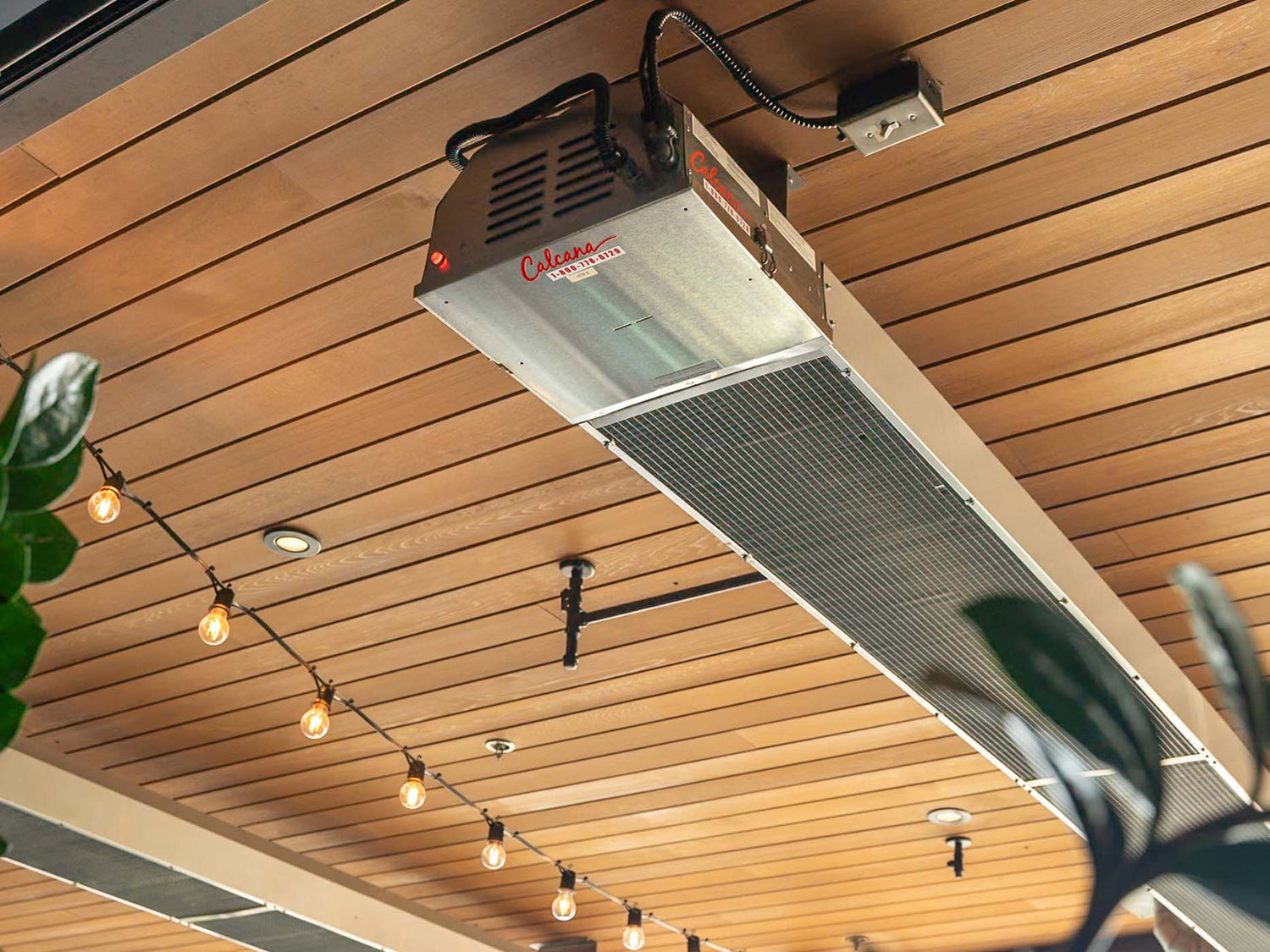
Ceiling-mounted and wall-mounted infrared heaters are excellent solutions for keeping garages, workshops, warehouses, commercial patios, restaurants, and outdoor living spaces comfortable throughout the year. Unlike portable heaters that take up valuable floor space, mounted infrared heaters provide efficient warmth from above while remaining safely out of the way.
However, even the most advanced heating system relies on proper installation and maintenance to perform safely and efficiently. One area that is often overlooked is cord management. While the heater itself may be securely mounted, a poorly managed power cord can create a variety of issues ranging from unnecessary wear and tear to electrical hazards, tripping risks, and costly repairs.
Over time, cords can become tangled, stretched, pinched, exposed to weather, or damaged by everyday activity around the heater. Whether your infrared heater is installed in a residential garage, a commercial patio, an industrial workspace, or an outdoor entertainment area, taking the time to properly secure and maintain the cord is an important part of protecting your investment.
Learning how to keep your infrared heater cord tangle-free and safe will help maximize heater performance, extend the lifespan of electrical components, and create a safer environment for everyone using the space.
Why Cord Management Matters More Than Most People Realize: Protecting Your Infrared Heater, Improving Safety, & Extending the Life of Your Installation
Many people focus on the heater itself when planning an installation and give little thought to the cord after the unit is mounted. Unfortunately, improper cord management is one of the most common causes of avoidable heater issues.
A tangled cord may seem like a minor inconvenience at first, but over time it can lead to significant problems. Twisted cords place stress on internal wiring, increasing the likelihood of damaged insulation, loose connections, and reduced electrical efficiency.
When cords are allowed to hang freely, they can also become vulnerable to accidental pulling, snagging, or impact from tools, equipment, furniture, and other objects.
In commercial settings such as restaurant patios, warehouses, and workshops, a poorly managed cord can quickly become a safety concern for both employees and customers.
Proper cord management helps:
-
Prevent electrical damage
-
Reduce tripping hazards
-
Improve installation appearance
-
Extend equipment lifespan
-
Protect wiring from weather exposure
-
Maintain reliable heater performance
-
Simplify future maintenance
A well-organized installation looks more professional while providing greater long-term reliability.
Understanding Common Causes of Cord Damage
Before discussing prevention methods, it helps to understand why heater cords become damaged in the first place.
Most cord-related problems develop gradually rather than appearing suddenly.
Common causes include:
Repeated Twisting
Repeated twisting places constant stress on the wiring inside the cord.
Over time, internal conductors can weaken or separate, creating performance issues and potential safety hazards.
Excessive Tension
When cords are stretched too tightly between the heater and power source, every vibration or movement transfers additional strain to the wiring.
This is particularly common when installers fail to account for proper cord routing during installation.
Environmental Exposure
Outdoor heaters face constant exposure to:
-
UV radiation
-
Rain
-
Snow
-
Humidity
-
Wind
-
Temperature fluctuations
These conditions gradually deteriorate insulation materials if cords are not adequately protected.
Mechanical Damage
Cord damage often occurs when objects repeatedly rub against the insulation.
Examples include:
-
Furniture
-
Ladders
-
Equipment
-
Storage containers
-
Vehicles
-
Doors
Even minor contact over long periods can wear through protective insulation.
Improper Storage
Temporary heaters or seasonal installations often suffer damage when cords are improperly stored.
Tightly wound cords, sharp bends, and tangled bundles place unnecessary stress on the wiring.
Preventing Long-Term Damage Through Regular Inspections
Schedule regular inspections of your heaters, including the cords, to identify early signs of wear. Common indicators of cord damage include frayed edges, cracks in the insulation, or any areas that appear discolored. Additionally, inspect the areas where the cord connects to the outlet and the heater itself, as these connection points can be loose or wear with frequent use.
For outdoor units, moisture damage can manifest as cracks, discoloration, or a noticeable loss of flexibility in the cord’s insulation. Prolonged exposure to humidity weakens the material, which makes it more prone to wear and tear. Checking for these signs during inspections ensures safe operation and addresses potential issues before they escalate.
If you notice damage, take immediate action. Allowing a compromised cord to remain in use will worsen the damage and heighten safety risks. Turn off the unit and consult a qualified technician for a detailed assessment.
Establishing a Routine Inspection Schedule
Many heater owners only inspect their equipment when something appears wrong.
A proactive inspection schedule is far more effective.
For residential heaters, inspections every few months are generally sufficient.
Commercial and industrial installations may require monthly inspections due to heavier use and increased environmental exposure.
During inspections, examine:
-
Cord insulation
-
Mounting points
-
Outlet connections
-
Cable ties
-
Protective covers
-
Cord routing paths
Documenting inspections helps identify developing issues before they become serious.
Practical Tips To Prevent Tangled Cords
By keeping infrared heater cords tangle-free and safe, you can reduce the risk of electrical issues on your property. Utilize these mounting and maintenance techniques to protect your equipment from damage.
Use Proper Mounting Techniques
Improper mounting can lead to unnecessary strain on the cord, causing it to wear out faster and increasing the risk of electrical hazards. Over time, this can result in expensive repairs or complete equipment failure.
Installing the unit correctly prevents unnecessary slack in the cord and reduces the risk of tangles over time. Using a sturdy infrared heater mounting kit from Calcana USA ensures a secure and well-organized installation. By carefully mounting the heater, you can position the cord appropriately against your ceiling or wall without creating a hazardous environment.
Keep Cords Elevated & Secured
When cords are dangling or running along busy pathways, they are more likely to knot or pose as a tripping hazard for those who walk by. Fixing cords along a wall or ceiling with heavy-duty hooks, cable ties, or brackets keeps them neatly secured and out of the way.
These options provide extra protection against wear in high-traffic or exposed areas. Keeping cords elevated also minimizes contact with dust, dirt, or accidental tugs that lead to fraying or tangling.
Bundle the Excess Length
Unnecessary cord length often results in loops and tangles that are hard to manage. If your heater’s cord is too long, use a cord management sleeve or adjustable ties to bundle up the extra length. As you bundle the excess cord length, be mindful not to wrap it too tightly, as this could damage the insulation.
For added convenience, label bundled cords to identify them easily during maintenance or if you need to move the unit around your property. This small step can save time and prevent confusion in multi-heater setups.
Perform Regular Adjustments
Even with the best preventative measures, cords can shift over time, especially in high-use environments. Incorporating cord adjustments into your regular maintenance routine keeps them organized and secure.
During your inspections, check for any loops or misplaced sections, and reposition the cord to avoid tangling. A proactive approach prevents small problems from becoming larger issues.
Avoid Overcrowding the Space
The placement of furniture, equipment, or other objects around the heater can inadvertently contribute to tangled cords and inefficiency with your unit’s performance. This can also interfere with heat distribution.
Maintain a clear space around the unit so that other items don’t obstruct or pull on the cord. This prevents tangles and provides optimal heat distribution while the heater is in use.
The Importance of Choosing the Right Outlet Location
One often overlooked aspect of cord management is outlet placement.
Ideally, the outlet should be positioned near the heater so that the cord does not need to travel excessive distances.
Shorter cord runs offer several advantages:
-
Reduced strain
-
Cleaner appearance
-
Fewer snagging hazards
-
Lower risk of damage
-
Easier maintenance
Planning outlet locations before installation often results in a safer and more professional setup.
Why Extension Cords Should Be Avoided
Many property owners are tempted to use extension cords when outlets are inconveniently located.
However, extension cords can create additional hazards.
Problems include:
-
Voltage drop
-
Overheating
-
Loose connections
-
Increased wear
-
Reduced efficiency
- Code Violation
Whenever possible, infrared heaters should connect directly to a properly rated outlet installed by a qualified electrician.
Indoor Cord Management Strategies
Indoor installations offer greater protection from environmental conditions but still require thoughtful cord routing.
In garages, workshops, and commercial facilities, cords should be routed:
-
Along walls
-
Along ceiling structures
-
Away from moving equipment
-
Away from storage areas
-
Away from work zones
Cable raceways and conduit systems can provide additional protection while creating a clean appearance.
Outdoor Cord Protection Techniques
Outdoor installations face unique challenges.
Weather exposure significantly increases the risk of cord deterioration.
Protect outdoor cords by:
-
Using weather-rated materials
-
Installing protective conduit
-
Shielding cords from direct sunlight
-
Preventing water accumulation
-
Keeping cords elevated
These measures help maximize cord lifespan while maintaining safe operation.
Protecting Cords From UV Damage
Sunlight is one of the most common causes of outdoor cord deterioration.
Ultraviolet radiation gradually breaks down insulation materials, causing cracking and brittleness.
Protect cords by:
-
Routing under covers
-
Using UV-resistant conduit
-
Installing protective sleeves
-
Limiting direct exposure
These simple measures can dramatically extend cord life.
Managing Cords in Commercial Patios
Restaurant patios present unique cord management challenges.
Customers may be moving chairs, tables, umbrellas, and decorations throughout the day.
To protect heater cords:
-
Route wiring overhead whenever possible
-
Secure cords to structural supports
-
Avoid customer traffic areas
-
Inspect frequently during busy seasons
Professional cord management contributes to both safety and aesthetics.
Cord Safety in Garages and Workshops
Garages often contain tools, ladders, and equipment that can damage exposed wiring.
Heater cords should never be routed through areas where:
-
Vehicles operate
-
Tools are stored
-
Heavy equipment moves
-
Materials are stacked
Protective conduit systems offer excellent protection in these environments.
Safety Measures To Protect Yourself & Your Property
Practice safe habits when using infrared heaters to prevent hazards and guarantee reliable performance. By following these safety measures, you can create a heating setup that prioritizes safety for both your property and the people within it.
Practice Safe Usage
Always turn the heater off when it’s not in use or when the area will be unoccupied, such as after business hours or while you’re away from home. This mitigates potential electrical hazards and reduces your unit’s energy consumption.
Also, avoid connecting the heater to an overloaded power strip. Instead, plug it directly into a dedicated outlet to reduce the risk of electrical issues. For extra protection, use a surge protector on the circuit connected to your heater to prevent malfunctions caused by power fluctuations.
Routine maintenance preserves the efficiency of your heater and ensures safe operation for years to come. By scheduling regular inspections and keeping cords, mounting brackets, and internal components in good condition, you can prevent small issues from becoming bigger problems.
When To Replace a Heater Cord
Even well-maintained cords eventually reach the end of their service life.
Replace the cord immediately if you notice:
-
Cracked insulation
-
Exposed wiring
-
Burn marks
-
Persistent overheating
-
Loose connections
-
Frequent breaker trips
Attempting temporary fixes can create greater risks than replacing the damaged component properly.
Creating a Long-Term Maintenance Plan
The best way to keep infrared heater cords tangle-free and safe is through consistent maintenance.
Develop a schedule that includes:
-
Visual inspections
-
Cleaning
-
Cord adjustments
-
Hardware checks
-
Weather protection reviews
Small maintenance tasks performed regularly help prevent expensive repairs and improve equipment longevity.
Conclusion
Although infrared heaters are designed to provide years of reliable comfort, their performance and safety depend heavily on proper installation and cord management. A tangled, damaged, or poorly routed cord can lead to unnecessary wear, reduced efficiency, safety hazards, and costly repairs.
By securing cords properly, conducting routine inspections, protecting wiring from environmental conditions, and following safe operating practices, you can significantly extend the life of your heater while creating a safer environment for everyone who uses the space.
Whether your heater is installed in a residential garage, a restaurant patio, a workshop, a warehouse, or an outdoor entertainment area, investing a little extra attention into cord management today can help prevent major problems tomorrow.
For additional support, mounting accessories, and professional-grade infrared heating solutions, the team at Calcana USA is ready to help you create a safer, cleaner, and more reliable heating installation for years to come.
Leave a comment
This site is protected by hCaptcha and the hCaptcha Privacy Policy and Terms of Service apply.