

Outdoor dining and gathering spaces have become essential for both residential and commercial environments. Whether it’s a restaurant patio, hotel terrace, or backyard entertaining area, the ability to comfortably use these spaces in varying weather conditions directly impacts their value. Wind, however, remains one of the biggest challenges when it comes to maintaining outdoor comfort.
A common question arises when planning or upgrading an outdoor heating setup: can infrared patio heaters actually perform in windy conditions? The answer is yes, but understanding how and why they work is key to maximizing their effectiveness.
Infrared patio heaters are uniquely suited for outdoor environments because of how they deliver heat. Unlike traditional systems that struggle against moving air, infrared technology provides direct, consistent warmth that holds up far better when wind becomes a factor. With the right equipment, placement, and maintenance, these systems can transform even breezy spaces into comfortable, usable environments.
Understanding Why Wind Disrupts Traditional Heating & How Infrared Solves the Problem
To fully appreciate the benefits of infrared heating, it’s important to understand why wind creates such a problem for conventional systems in the first place.
Traditional outdoor heaters rely on convection. They warm the air around them, creating a pocket of heated air that radiates outward. In calm conditions, this can be effective. However, the moment wind enters the equation, that warm air is pushed away and replaced with cooler air. The heater must then work continuously to compensate, often without ever achieving a consistent temperature.
This cycle leads to inefficiency, increased energy consumption, and uneven comfort levels. Guests seated just a few feet apart may experience completely different temperatures, depending on airflow patterns.
For commercial spaces, this inconsistency directly impacts customer satisfaction. For homeowners, it often leads to underutilized patios and frustration.
How Infrared Patio Heaters Overcome Wind
Infrared patio heaters take a completely different approach. Instead of attempting to heat the air, they emit radiant energy that travels through the air and directly warms solid objects, people, furniture, and surfaces.
This method changes everything when it comes to performance in windy conditions.
Because infrared heat does not rely on air as a transfer medium, it is far less affected by air movement. The energy moves in waves, similar to sunlight, and maintains its effectiveness even when wind is present. As long as the radiant energy reaches its target, warmth is delivered consistently.
This is why you can feel the warmth of the sun on a cool, windy day. The air may be cold, but the radiant heat still reaches you. Infrared heaters operate on the same principle.
What Happens to Infrared Heat in Wind
While infrared heaters are highly effective in wind, it’s important to recognize that they are not entirely immune to environmental factors.
Wind can introduce some level of heat loss, particularly in extreme conditions. Strong gusts may cool the surface of objects more quickly, requiring the heater to maintain output to compensate. Additionally, wind can slightly affect the heater’s components, particularly if the system is not designed for outdoor durability.
However, compared to convection-based systems, these effects are minimal. The key difference is that infrared heat continues to reach its intended targets, rather than being carried away entirely.
This means that even in breezy environments, guests still feel warmth where it matters most.
Key Performance Factors in Windy Environments
Several variables influence how well an infrared heater performs in wind. Understanding these factors allows you to optimize your setup and ensure consistent results.
One of the most important considerations is heater design. Units with high-quality reflectors and protective housings are better equipped to maintain efficiency. Reflectors play a crucial role in directing radiant heat outward, and materials like polished aluminum help maximize output and coverage.
Mounting height also affects performance. Higher-mounted heaters cover a larger area, which can help compensate for minor heat loss caused by wind. At the same time, they may be more exposed to airflow. Lower-mounted units experience less direct wind but may require additional units to achieve the same coverage.
Power output is another critical factor. Higher-capacity heaters are better suited for windy conditions because they deliver more energy, allowing them to maintain comfort levels even when environmental conditions fluctuate.
Finally, wind direction matters. Crosswinds tend to have less impact than direct head-on winds. Positioning heaters to minimize direct exposure can significantly improve overall performance.
Strategic Placement for Wind Resistance
Placement plays a major role in how effectively your infrared heaters perform. Even the most advanced system can underperform if it is installed in a way that exposes it unnecessarily to strong winds.
One of the most effective strategies is to take advantage of natural wind barriers. Walls, railings, and structural elements can significantly reduce airflow, creating a more controlled environment. Installing heaters in these protected areas allows radiant heat to accumulate more effectively.
Corner placements are particularly useful. By positioning heaters near intersecting walls, you create a pocket of reduced wind exposure, which helps maintain consistent warmth. You also want to ensure there is adequate ventilation for more closed off installations to ensure the best performance.
In larger spaces, distributing multiple heaters rather than relying on a single unit provides better coverage. This approach ensures that if wind disrupts one area slightly, other zones remain unaffected.
Furniture and layout also play a role. Tables, seating arrangements, and decorative elements can act as minor windbreaks, helping to preserve heat around occupied areas.
The Importance of Proper Mounting
Mounted infrared heaters offer a significant advantage in windy conditions compared to freestanding units.
Freestanding heaters are more susceptible to movement and instability during strong gusts. Even when weighted, they can shift or tip, creating safety concerns and reducing effectiveness.
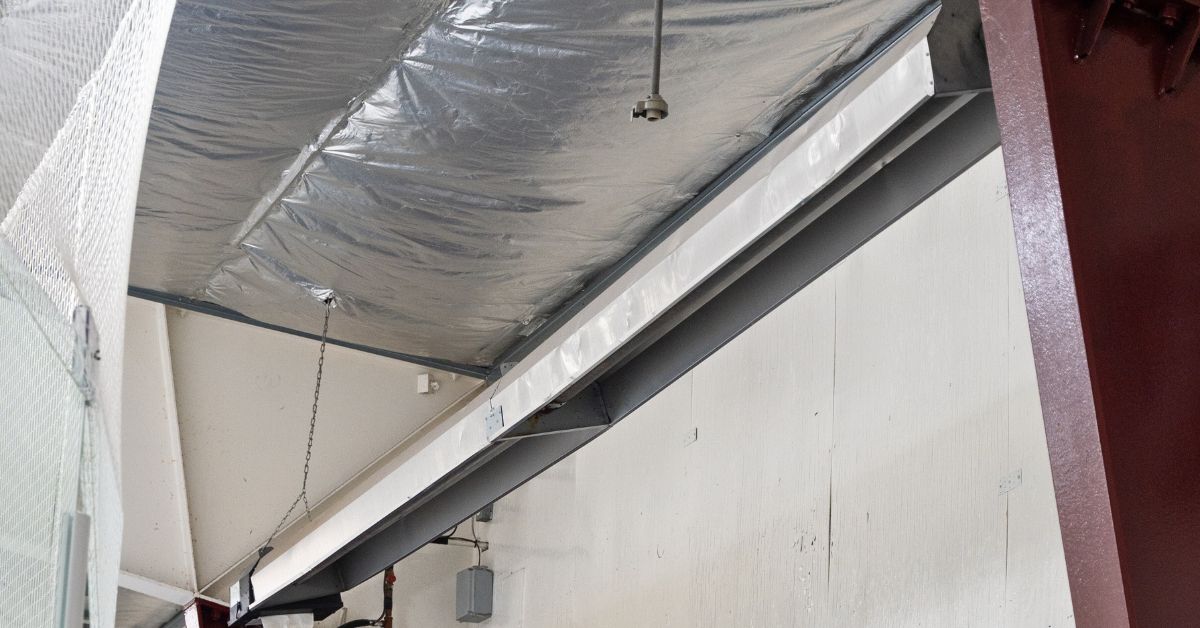
Mounted systems, on the other hand, remain fixed in place. Ceiling or wall-mounted heaters provide consistent positioning, ensuring that heat is directed exactly where it is needed without interruption.
This stability not only improves performance but also enhances safety, making mounted infrared heaters the preferred choice for both residential and commercial applications.
Safety Considerations in Windy Conditions
Operating any outdoor equipment in windy conditions requires attention to safety. While infrared heaters are designed for outdoor use, proper precautions ensure reliable and hazard-free operation.
Electrical connections must always be protected from moisture and debris. Wind can carry dust, rain, and other particles that may affect exposed components. Using weatherproof enclosures and regularly inspecting connections helps prevent issues.
Clearances around heaters should always be maintained. Wind can move lightweight materials such as paper or leaves, potentially bringing them into contact with hot surfaces. Keeping the area around heaters free of debris reduces this risk.
It’s also important to monitor weather conditions. While infrared heaters perform well in moderate wind, extremely severe conditions may warrant temporary shutdown as a precaution.
Maintenance for Long-Term Performance
Wind exposure increases the importance of regular maintenance. Airborne particles carried by wind can accumulate on heating elements and reflectors, reducing efficiency over time.
Routine cleaning helps maintain optimal performance. Keeping reflectors free of dust and debris ensures that radiant heat is directed effectively. Inspecting mounting hardware and tightening connections prevents issues caused by vibration or prolonged exposure to wind.
Electrical components should also be checked periodically for signs of wear or corrosion. Addressing minor issues early prevents larger problems down the line.
Consistent maintenance not only improves performance but also extends the lifespan of the system, ensuring reliable operation season after season.
Commercial Benefits of Wind-Resistant Heating
For restaurants, hotels, and other hospitality venues, the ability to operate outdoor spaces in less-than-ideal weather conditions provides a significant competitive advantage.
Wind-resistant heating allows businesses to maintain consistent service levels, even when conditions are not perfect. This reliability improves customer satisfaction and increases seating capacity during peak times.
Guests are more likely to choose a venue where they know they will be comfortable. Providing a warm, consistent outdoor environment enhances the overall experience and encourages repeat visits.
Residential Applications & Everyday Use
Homeowners also benefit from infrared heating in windy conditions. Patios, decks, and outdoor living spaces become far more usable when temperature is no longer a limiting factor.
Instead of retreating indoors at the first sign of wind, families can continue enjoying their outdoor spaces. Whether it’s casual dining, entertaining guests, or simply relaxing, consistent warmth makes a noticeable difference.
Infrared heaters provide a practical solution that aligns with how outdoor spaces are actually used, flexibly and throughout changing conditions.
Why Equipment Quality Matters
Not all infrared heaters are built to perform equally in windy environments. High-quality systems are designed with durability, efficiency, and outdoor performance in mind.
Features such as robust construction, efficient reflectors, and reliable mounting systems all contribute to better results. Investing in well-designed equipment ensures that your heating system performs consistently, even when conditions are less than ideal.
Professional Installation for Optimal Results
While placement and equipment are important, professional installation brings everything together.
Experienced installers understand how to position heaters for maximum effectiveness based on your specific environment. They account for factors such as wind patterns, layout, and usage, ensuring that your system is optimized from the start.
Proper electrical installation also ensures safety and reliability. This is particularly important in outdoor environments where exposure to the elements is a factor.
Extending Outdoor Comfort Year-Round
Wind is just one of many challenges that outdoor spaces face. By choosing infrared heating, you create a solution that addresses multiple variables at once.
From cool evenings to breezy afternoons, these systems provide consistent performance that extends the usability of your space throughout the year. This flexibility adds value, enhances comfort, and makes outdoor areas more functional.
Final Thoughts: Reliable Heat, Even in the Wind
So, can infrared patio heaters be used in windy conditions? Absolutely. Their ability to deliver direct, radiant heat makes them far more effective than traditional systems when air movement is a factor.
With the right setup, placement, and maintenance, infrared heaters provide consistent comfort that holds up against the elements. Whether you’re managing a commercial patio or enhancing your home’s outdoor space, this technology offers a reliable solution.
Explore Wind-Resistant Infrared Heating Solutions
If you’re looking to upgrade your outdoor heating setup, choosing a system designed for real-world conditions is essential. Calcana’s infrared patio heaters are built to perform in demanding environments, delivering reliable warmth where it matters most.
With the right approach, wind no longer limits how and when you use your outdoor space, it becomes just another condition your system is designed to handle.
Leave a comment
This site is protected by hCaptcha and the hCaptcha Privacy Policy and Terms of Service apply.