
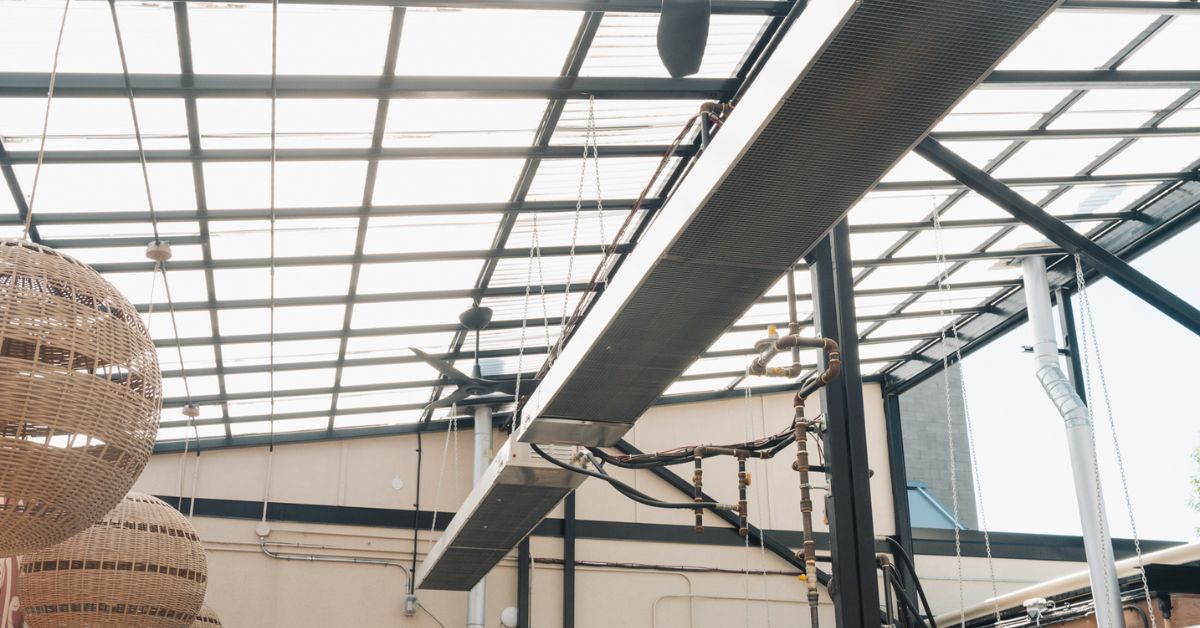
Mounted heaters have become an essential part of modern outdoor living. Whether installed on a residential deck, a covered patio, or a high-traffic commercial space, they provide consistent, reliable heat that extends usability well beyond the warmer months. However, while most property owners focus on performance, output, and aesthetics, one critical factor is often overlooked, electrical protection.
Power surges are one of the most common and destructive threats to mounted heating systems. They occur without warning, often go unnoticed until damage is done, and can compromise expensive equipment in an instant. Protecting your mounted heater from power surges is not just a precautionary step, it is a necessary investment in the longevity, reliability, and performance of your system.
This guide takes a comprehensive look at how power surges occur, why mounted heaters are particularly vulnerable, and what steps you can take to ensure your heating system remains protected year after year.
Understanding the Threat: What Is a Power Surge & How It Can Affect Your Mounted Heater?
A power surge is a sudden and brief spike in electrical voltage that exceeds the standard level flowing through your system. In most residential and commercial settings, electrical systems operate at either 120 or 240 volts. When a surge occurs, that voltage can jump dramatically, sometimes reaching thousands of volts in a fraction of a second.
Although these events are extremely short in duration, their impact can be significant. Electrical components are designed to operate within a specific voltage range, and when that threshold is exceeded, even momentarily, internal damage can occur.
There is a common misconception that power surges are rare or only associated with lightning strikes. In reality, most surges originate from within the building itself. Everyday electrical activity plays a major role. When high-powered appliances such as air conditioning units, compressors, or industrial equipment turn on and off, they create sudden changes in demand that can lead to voltage fluctuations. Over time, these small but frequent surges can degrade sensitive electronics.
External factors also contribute to surge activity. Utility grid switching, downed power lines, transformer issues, and severe weather events can all introduce unstable voltage into your electrical system. While lightning remains one of the most powerful causes, it accounts for a relatively small percentage of total surge events. The real risk comes from the cumulative effect of smaller, repeated spikes that slowly wear down your equipment.
Why Mounted Heaters Are Especially Vulnerable
Mounted outdoor heaters, particularly infrared systems, rely on advanced internal components to deliver consistent and efficient performance. Unlike older heating solutions that operated with minimal electrical input, modern systems incorporate control boards, sensors, ignition systems, and variable heat controls. These features allow for precision operation, improved efficiency, and enhanced user control, but they also introduce vulnerability.
These electronic components are highly sensitive to voltage fluctuations. When a surge occurs, the excess voltage can overwhelm circuits, damage internal boards, and disrupt communication between system components. In severe cases, the damage is immediate, resulting in complete system failure. In less obvious scenarios, repeated exposure to minor surges gradually weakens components, leading to intermittent issues, reduced efficiency, or premature breakdown.
What makes this particularly challenging is that surge damage is not always immediately apparent. A heater may continue to operate after a surge event, but with compromised internal components that eventually fail weeks or months later. This delayed effect often makes it difficult to trace the root cause of the problem.
Mounted heaters are also typically installed in outdoor or semi-exposed environments, where they are more susceptible to environmental factors such as moisture, temperature fluctuations, and vibration. These conditions can amplify the effects of electrical instability, making proper surge protection even more critical.
The Real Cost of Surge Damage
When a mounted heater experiences surge-related damage, the consequences extend beyond a simple repair. While the immediate concern may be the cost of replacing a control board or electrical component, the broader impact can be much more significant.
From a financial standpoint, repairs can quickly add up. Replacement parts for modern infrared heaters are not inexpensive, and labor costs for diagnosis and installation can further increase the total expense. In cases where multiple components are affected, or where damage is extensive, a full system replacement may be required.
However, the indirect costs are often even more impactful. For homeowners, a non-functioning heater means losing the ability to comfortably use outdoor spaces during cooler weather. For commercial operations such as restaurants, bars, or event venues, the stakes are much higher. A failed heating system can reduce seating capacity, impact customer experience, and ultimately result in lost revenue.
There is also the inconvenience factor. Unexpected downtime during peak usage periods can disrupt plans, delay service, and create unnecessary stress. In many cases, surge-related damage occurs at the worst possible time, when your system is needed most.
Why Surge Protection Is a Smart Investment
Considering the potential costs and disruptions associated with surge damage, investing in proper protection is a straightforward decision. Compared to the expense of repairs or replacement, surge protection solutions are relatively affordable and easy to implement.
More importantly, they provide peace of mind. With the right protection in place, you can operate your mounted heater with confidence, knowing that it is shielded from unpredictable electrical events. This not only helps preserve the lifespan of your equipment but also ensures consistent performance over time.
For high-quality systems like Calcana’s infrared outdoor heaters, maintaining stable electrical input is essential. These units are designed for efficiency and durability, but like any advanced system, they perform best when supported by a clean and reliable power supply. Protecting that power supply is a key part of protecting your investment.
Building a Layered Protection Strategy
The most effective approach to surge protection involves multiple layers of defense. Relying on a single device or method leaves gaps in coverage, whereas combining several strategies provides comprehensive protection against a wide range of electrical threats.
At the most basic level, point-of-use surge protectors serve as the first line of defense. These devices are installed close to the heater and are designed to detect and divert excess voltage before it reaches sensitive components. For outdoor applications, it is essential to use models that are specifically rated for exterior use, with weatherproof enclosures that can withstand environmental exposure.
While point-of-use protection is important, it should not be the only measure in place. Whole-building surge protection systems offer an additional layer by intercepting large surges at the electrical panel. These systems are particularly effective at handling external events such as utility grid fluctuations or lightning-induced surges. By stopping high-voltage spikes before they enter your internal wiring, they significantly reduce the risk of damage.
For more advanced applications, particularly in commercial settings, power conditioners can be introduced to further stabilize the electrical supply. These devices go beyond surge protection by actively regulating voltage, filtering out electrical noise, and ensuring a consistent flow of power. While they represent a higher initial investment, they are well-suited for environments where reliability is critical and equipment value is high.
The Critical Role of Proper Grounding
No surge protection system is complete without proper grounding. In fact, grounding is the foundation that allows all other protective measures to function effectively.
When a surge protector detects excess voltage, it redirects that energy away from connected equipment and into the ground. If the grounding system is inadequate, that energy has nowhere to go, rendering the protector ineffective. This is why proper grounding is not just recommended, it is essential.
A well-designed grounding system includes properly installed ground rods, secure connections, and low resistance levels. Ground rods should be driven deep enough into the soil to reach moisture, which improves conductivity. Connections must be tight, clean, and free of corrosion to ensure a reliable path for electrical discharge.
Unfortunately, grounding issues are often overlooked during installation or develop over time due to environmental factors. Regular inspection and testing are necessary to ensure that the system continues to perform as intended.
Installation Best Practices for Long-Term Protection
The way your mounted heater is installed has a direct impact on its vulnerability to power surges. Proper installation practices not only improve performance but also reduce the likelihood of electrical issues.
One of the most important considerations is circuit design. Mounted heaters should always be connected to dedicated circuits that are sized appropriately for their electrical load. Sharing circuits with other high-demand equipment increases the risk of voltage fluctuations and overloads.
Wire sizing is another critical factor. Undersized wiring creates resistance, which generates heat and can lead to unstable voltage conditions. Following manufacturer specifications ensures that the system operates safely and efficiently.
Outdoor installations must also account for environmental exposure. Using weatherproof electrical boxes, sealing all entry points, and protecting connections from moisture are essential steps. Water intrusion can compromise insulation, increase resistance, and create conditions that contribute to surge-related damage.
Ongoing Maintenance & Monitoring
Even the best-designed protection system requires regular maintenance to remain effective. Over time, components can degrade, connections can loosen, and environmental factors can introduce new risks.
Routine inspections should include checking surge protectors for proper operation, examining connections for signs of corrosion or wear, and ensuring that all protective devices are functioning as intended. Many surge protectors include indicator lights that provide a simple way to verify their status. If these indicators show a loss of protection, the unit should be replaced immediately.
It is also important to inspect your system after major weather events or power outages. These situations often involve unstable electrical conditions that can stress protective devices. Allowing the system to stabilize before restarting equipment can help prevent additional damage.
Keeping a record of maintenance activities can be beneficial, particularly for commercial installations. Tracking inspections, replacements, and any issues that arise provides valuable insight into system performance and helps identify patterns over time.
Choosing Quality Equipment From the Start
While surge protection plays a critical role, the quality of the heater itself should not be overlooked. Starting with a well-designed, durable system reduces overall risk and ensures better long-term performance.
Calcana’s infrared outdoor heaters are engineered with reliability in mind. Designed for demanding environments, these systems incorporate robust components that are built to handle consistent use in outdoor conditions. With heating capacities reaching up to 75,000 BTU and variable heat control ranging from 50 to 100 percent, they provide efficient, adaptable performance without placing unnecessary strain on electrical systems.
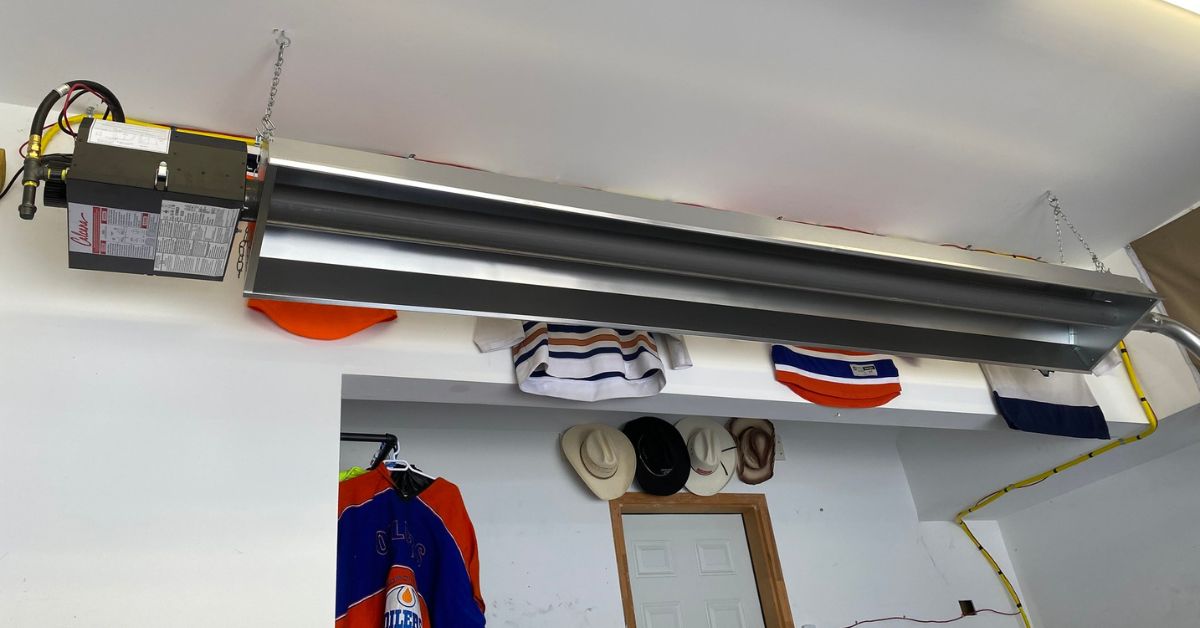
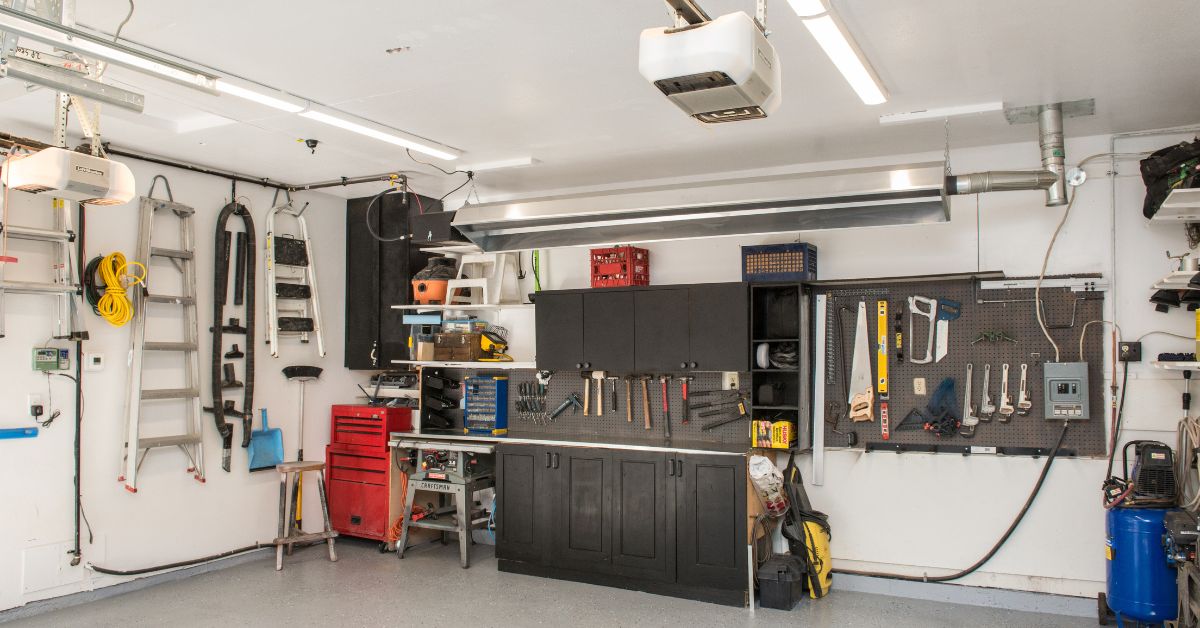
Their mounted design, whether wall or ceiling installation, creates a permanent, streamlined heating solution that eliminates the limitations of portable units. This not only improves aesthetics and functionality but also allows for more controlled and secure electrical integration.
Avoiding Common Mistakes
Despite the availability of effective solutions, certain mistakes continue to leave systems vulnerable. One of the most common is relying solely on basic surge protectors without considering whole-building protection. While point-of-use devices are important, they cannot handle large external surges on their own.
Another frequent oversight is neglecting grounding requirements. Without a proper grounding system, even the best surge protectors cannot perform their intended function. Similarly, using indoor-rated equipment in outdoor environments exposes components to conditions they are not designed to handle.
Delaying maintenance or failing to replace worn protective devices is another risk factor. Surge protectors do not last indefinitely, and their effectiveness diminishes over time. Regular replacement is a necessary part of maintaining protection.
Residential vs. Commercial Considerations
The level of surge protection required often depends on the application. Residential systems typically have lower overall demand and may require fewer layers of protection. However, this does not mean protection can be overlooked. Even a single surge event can cause significant damage.
Commercial installations, on the other hand, involve higher usage, greater electrical demand, and increased financial risk. In these environments, a more comprehensive approach is necessary. Layered protection, including whole-building systems and power conditioning, is strongly recommended. Regular maintenance schedules should also be more rigorous to ensure consistent performance.
Future-Proofing Your Outdoor Heating System
As outdoor living and dining continue to evolve, the role of mounted heaters will only become more important. Advances in technology are introducing more sophisticated control systems, automation features, and integration capabilities. While these innovations improve performance and convenience, they also increase reliance on stable electrical systems.
Planning for the future means taking a proactive approach to protection. By implementing robust surge protection strategies today, you can ensure that your system remains compatible with future upgrades and continues to perform reliably as technology evolves.
Take Action Now
Power surges are unpredictable, but the steps needed to protect your mounted heater are clear and achievable. By investing in proper surge protection, ensuring effective grounding, and maintaining your electrical system, you can significantly reduce the risk of damage and extend the life of your equipment.
The effort required is minimal compared to the potential cost and inconvenience of system failure. More importantly, it allows you to enjoy the full benefits of your mounted heater without interruption.
Outdoor heating is an investment in comfort, usability, and experience. Protecting that investment ensures that it continues to deliver value season after season.
Explore Reliable Heating Solutions
If you are considering upgrading your outdoor heating system or installing a new unit, choosing a high-quality product is the first step toward long-term success. Calcana’s patio heater collection offers powerful, efficient solutions designed for real-world performance.
With the right equipment and a comprehensive protection strategy in place, you can create an outdoor space that remains comfortable, reliable, and ready to perform, no matter what conditions come your way.
Leave a comment
This site is protected by hCaptcha and the hCaptcha Privacy Policy and Terms of Service apply.